History-Politics
Past eras

From pre-history to today
Choose your period

Poltics in English History
explore the different eras
Past eras
Choose your period
explore the different eras
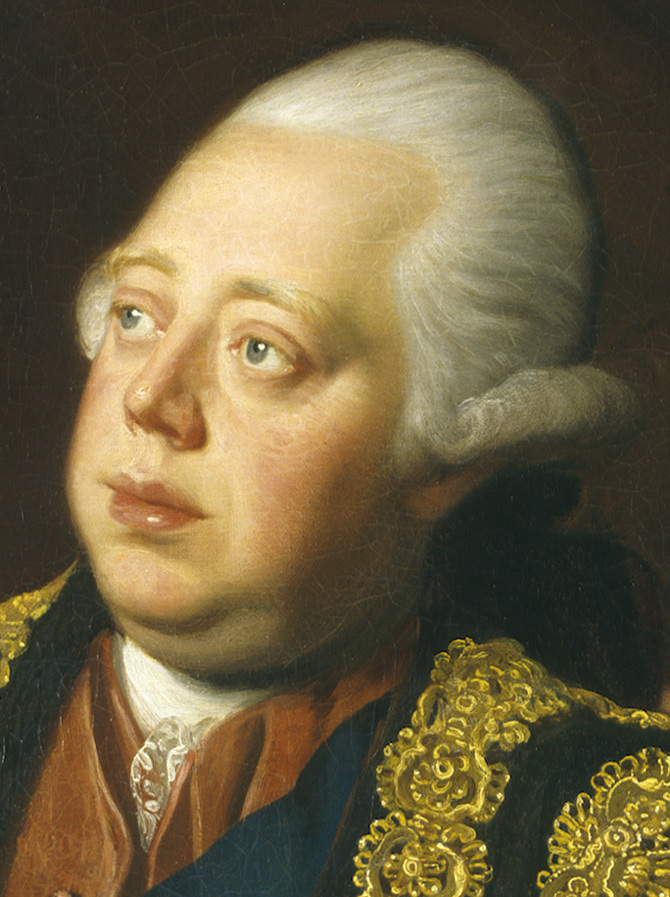
Frederick North, also known as Lord North, was a British statesman who served as Prime Minister of Great Britain from 1770 to 1782. He was born on April 13, 1732, in London, England, and was the eldest son of Francis North, the 1st Earl of Guilford. North received his education at Eton College and Trinity College, Oxford. He entered politics as a member of the House of Commons in 1754, representing the constituency of Banbury.
North's rise to power was largely due to his connections with the royal family. He became a close friend and advisor to King George III, who appointed him as Chancellor of the Exchequer in 1767. North's financial policies were generally conservative, and he was opposed to increasing government spending. However, he was forced to increase taxes to pay for the costly Seven Years' War with France.
In 1770, North became Prime Minister of Great Britain after the resignation of Lord Rockingham. He inherited a number of difficult challenges, including unrest in the American colonies and tensions with France and Spain. North was a firm believer in the idea of British supremacy and was determined to maintain the British Empire at all costs.
One of North's most significant achievements was the passage of the Tea Act in 1773. The act granted a monopoly on tea imports to the British East India Company, which was struggling financially. The move was intended to boost the company's profits, but it had the unintended consequence of triggering the Boston Tea Party, a major event in the lead-up to the American Revolution.
North's handling of the American Revolution was widely criticized. He was opposed to granting greater autonomy to the colonies and instead believed that a show of force would be enough to maintain British control. However, North's military strategies were largely unsuccessful, and the conflict dragged on for years, resulting in a major British defeat at the Battle of Yorktown in 1781.
In addition to the American Revolution, North also faced other challenges during his time as Prime Minister. He had to deal with conflicts with Spain and France, as well as unrest in Ireland. His policies towards Ireland, which included maintaining the dominance of the Protestant Ascendancy and limiting the rights of Catholics, were particularly unpopular.
In 1782, North was forced to resign as Prime Minister after losing the support of Parliament. His resignation was a major turning point in British politics, as it marked the end of the Tory-dominated government and paved the way for the rise of the Whigs.
North retired from politics after his resignation and spent the rest of his life at his country estate in Surrey. He died on August 5, 1792, at the age of 60.
In conclusion, Frederick North was a British statesman who served as Prime Minister of Great Britain during a tumultuous period in the country's history. While he had some successes during his time in office, particularly in the areas of finance and trade, his handling of the American Revolution and other challenges was widely criticized. Despite his eventual downfall, North remains an important figure in British political history and his legacy continues to be debated to this day.
As Prime Minister, Frederick North faced a number of challenges and controversies. Here are some of the key events and policies of his tenure:
The American Revolution: North inherited the conflict with the American colonies from his predecessor, Lord Rockingham. He believed that the colonists should be subject to British rule and that a show of force would be enough to maintain control. However, his military strategies were largely unsuccessful, and the conflict dragged on for years. One of the most significant events of the American Revolution was the Battle of Bunker Hill in 1775, which was a costly British victory. The conflict continued to escalate, and in 1776, the colonies declared their independence. North was opposed to granting greater autonomy to the colonies and believed that the British Empire needed to be maintained at all costs. However, his policies towards the colonies were widely criticized, and his handling of the American Revolution is seen as one of the major factors that contributed to his eventual downfall.
The Tea Act: In 1773, North passed the Tea Act, which granted a monopoly on tea imports to the British East India Company. The move was intended to boost the company's profits, but it had the unintended consequence of triggering the Boston Tea Party, a major event in the lead-up to the American Revolution.
Conflict with Spain and France: North also had to deal with conflicts with Spain and France during his time in office. In 1779, Spain entered the American Revolution on the side of the colonies, and France provided military support as well. North was forced to divert resources to deal with these threats, which further strained the British economy.
Policies towards Ireland: North's policies towards Ireland were controversial, particularly his support for the Protestant Ascendancy and his limitations on the rights of Catholics. This led to unrest in Ireland, including the Irish Rebellion of 1798.
Coalition government: North's government was a coalition government, with the Tories in the majority. However, there were tensions within the coalition, particularly between North and his Chancellor of the Exchequer, William Pitt the Younger. These tensions contributed to North's eventual downfall.
Resignation: In 1782, North was forced to resign as Prime Minister after losing the support of Parliament. This was largely due to his handling of the American Revolution and other challenges. His resignation marked the end of the Tory-dominated government and paved the way for the rise of the Whigs.
Overall, Frederick North's tenure as Prime Minister was marked by a number of difficult challenges and controversies. While he had some successes in the areas of finance and trade, his handling of the American Revolution and other issues was widely criticized, and his eventual downfall was a major turning point in British political history.
If you have a suggestion regarding additional topics you would like to see included - please let us know
Reference: Article by Greg Scott (Staff Historian), 2024