History-Politics
Past eras

From pre-history to today
Choose your period

Poltics in English History
explore the different eras
Past eras
Choose your period
explore the different eras
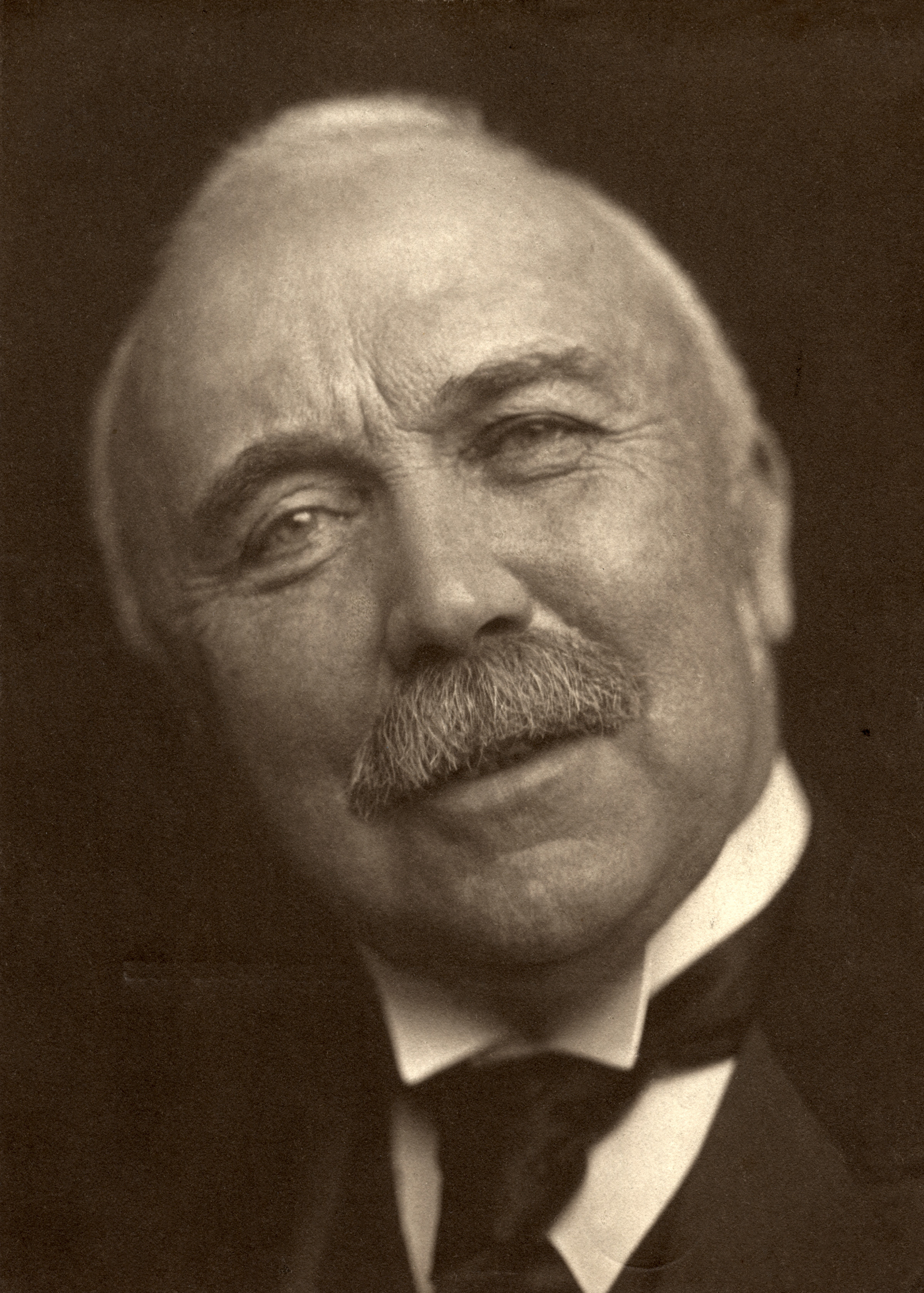
Henry Campbell-Bannerman was a British statesman who served as the Prime Minister of the United Kingdom from 1905 to 1908. He was born on September 7, 1836, in Glasgow, Scotland, to Sir James Campbell, a merchant and his wife, Elizabeth. Campbell-Bannerman was educated at Glasgow High School and the University of Glasgow, where he studied law.
Early Career:
After completing his studies, Campbell-Bannerman was called to the bar in 1860 and began his legal career in London. However, he soon became involved in politics and in 1868 he was elected to the House of Commons as a member of the Liberal Party. Campbell-Bannerman was known for his strong support of Irish Home Rule and became a prominent member of the party.
In 1884, he was appointed as Chief Secretary for Ireland in William Gladstone's government, and in this position, he worked to improve the living conditions of Irish people and to advance the cause of Home Rule. However, his efforts were met with strong opposition from Unionists in Ireland and the United Kingdom.
In 1892, the Liberal Party returned to power, and Campbell-Bannerman was appointed as Secretary of State for War. He modernized the army and reformed military organization, introducing the concept of the Army Council and setting up the Territorial Army, a reserve force of citizen soldiers.
Leadership and Premiership:
After Gladstone resigned in 1894, Campbell-Bannerman became the leader of the Liberal Party. However, the party remained in opposition until 1905, when it won a landslide victory in the general election.
As Prime Minister, Campbell-Bannerman pursued a domestic policy that focused on social reform. He introduced a number of measures to improve the living conditions of the poor, including old-age pensions, unemployment insurance, and workers' compensation. He also supported free trade and the reduction of tariffs.
In foreign policy, Campbell-Bannerman pursued a policy of disarmament and promoted international cooperation. He supported the Entente Cordiale, an agreement between the United Kingdom and France, and worked to improve relations with Germany.
However, his premiership was cut short by ill health. In 1907, he suffered a heart attack, and in 1908 he resigned as Prime Minister. He was succeeded by his Chancellor of the Exchequer, Herbert Henry Asquith.
Legacy:
Campbell-Bannerman is remembered as a politician who was committed to social reform and progressive values. He was a champion of the working class and was dedicated to improving the lives of ordinary people. He was also a strong supporter of Irish Home Rule and worked to improve relations between Ireland and the United Kingdom.
However, his premiership was relatively short, and his policies were overshadowed by the First World War, which broke out just a few years after he left office. Nonetheless, his contributions to British politics and his commitment to social reform remain an important part of his legacy.
In conclusion, Henry Campbell-Bannerman was a significant figure in British politics in the late 19th and early 20th centuries. He was a champion of progressive values and social reform and was committed to improving the lives of ordinary people. Despite his relatively short time as Prime Minister, he made a lasting contribution to British politics and his legacy continues to be celebrated to this day.
During his tenure as Prime Minister, Henry Campbell-Bannerman's government pursued several important domestic and foreign policies. Here are some of the key events and initiatives that took place during his premiership:
Social Reform: Campbell-Bannerman's government introduced a number of important social reforms during his premiership, including the Old Age Pensions Act (1908), which provided financial support for retired workers; the Trade Disputes Act (1906), which granted legal recognition to trade unions; and the Children's Act (1908), which established a system of juvenile courts to protect the rights of children. These reforms were aimed at improving the lives of the working class and reducing poverty.
Education: The Education Act (1906) was another significant piece of legislation passed by Campbell-Bannerman's government. The act abolished school fees and made education free for all children up to the age of 14. This was a major step forward in making education more accessible to the working class.
Tariff Reform: One of the key issues that Campbell-Bannerman's government faced was the debate over tariff reform. The Conservative Party, led by Joseph Chamberlain, had proposed a policy of imperial preference, which would have involved imposing tariffs on imported goods from non-Commonwealth countries in order to protect British industries. Campbell-Bannerman's government opposed this policy, arguing that it would harm free trade and make goods more expensive for consumers.
Foreign Policy: Campbell-Bannerman's government pursued a policy of disarmament and promoted international cooperation. One of the key initiatives in this area was the Entente Cordiale, an agreement signed with France in 1904 that resolved longstanding disputes between the two countries and paved the way for closer relations. Campbell-Bannerman also worked to improve relations with Germany and sought to reduce tensions in the Balkans.
Military Reform: Campbell-Bannerman's government introduced several reforms aimed at modernizing the British military. This included the establishment of the Army Council, a new system of military administration that replaced the War Office, and the creation of the Territorial Army, a reserve force of citizen soldiers that could be mobilized in times of national emergency.
Despite these accomplishments, Campbell-Bannerman's tenure as Prime Minister was cut short by ill health. In August 1907, he suffered a heart attack, which left him weakened and unable to perform his duties effectively. He resigned in April 1908, and was succeeded by his Chancellor of the Exchequer, Herbert Henry Asquith. Nonetheless, his contributions to British politics and his commitment to social reform remain an important part of his legacy.
If you have a suggestion regarding additional topics you would like to see included - please let us know
Reference: Article by Greg Scott (Staff Historian), 2024