History-Politics
Past eras

From pre-history to today
Choose your period

Poltics in English History
explore the different eras
Past eras
Choose your period
explore the different eras
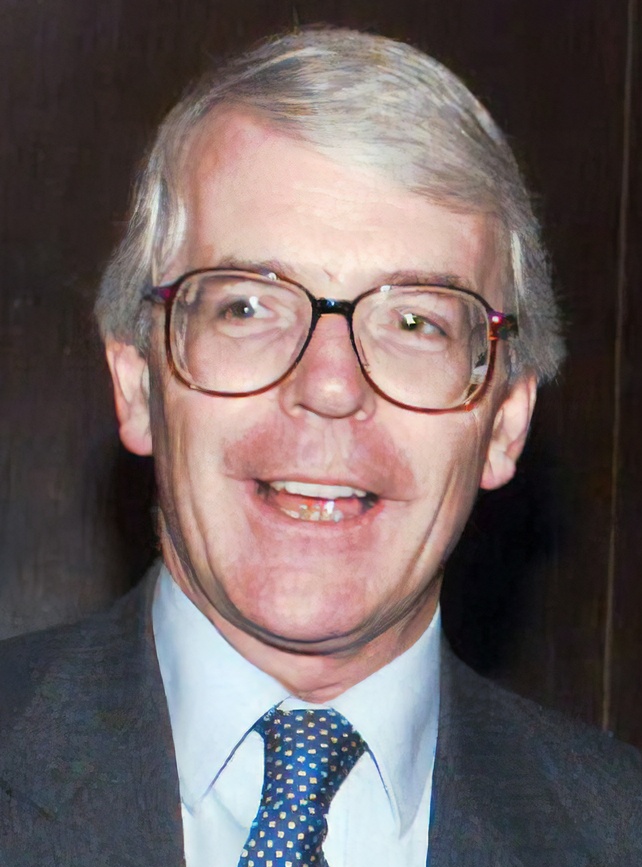
John Major was the Prime Minister of the United Kingdom from 1990 to 1997, succeeding Margaret Thatcher. Although he is often overlooked by historians and the general public, Major led the country through a period of significant change and played a crucial role in shaping the modern British political landscape. Early Life and Career John Major was born in 1943 in Brixton, London, to a family of modest means. His father was a circus performer and later ran a garden ornaments business, while his mother worked as a dancer. Major attended primary school in Brixton before winning a scholarship to attend Rutlish School, a grammar school in Wimbledon. After leaving school, Major worked as a clerk for a London bank, but he soon became interested in politics and began to get involved with the local Conservative Party. In 1968, he was elected as a councillor in the London Borough of Lambeth, and he later worked as a political advisor to several Conservative politicians, including Ted Heath. Political Career Major was first elected to Parliament in 1979, representing the constituency of Huntingdonshire. He quickly rose through the ranks of the Conservative Party and was appointed as a junior minister in the Department of Social Security in 1985. He was later promoted to Chief Secretary to the Treasury in 1987 and then to Foreign Secretary in 1989. In 1990, Margaret Thatcher resigned as Prime Minister, and Major was elected as her successor in a contest against Michael Heseltine and Douglas Hurd. He was the youngest Prime Minister in nearly 200 years at the time of his election. Major's Premiership Major's tenure as Prime Minister was marked by several important events and initiatives. One of his first acts as Prime Minister was to launch a "back to basics" campaign, which aimed to promote traditional values and morality. However, the campaign was soon overshadowed by a series of scandals involving Conservative MPs, and it ultimately proved to be a political liability for Major. Another significant event during Major's premiership was the Gulf War, which took place in 1991. Major committed British forces to the coalition that was fighting against Iraq, and he played a key role in the negotiations that led to the liberation of Kuwait. In domestic policy, Major's government introduced a number of important reforms. One of the most significant was the introduction of the Citizens' Charter, which aimed to improve the quality of public services by setting out standards of service that citizens could expect from government agencies. Major also oversaw significant changes in the British economy during his tenure. His government privatised a number of key industries, including the railways, and introduced a range of measures aimed at improving the competitiveness of British businesses. However, Major's premiership was also marred by a number of controversies and setbacks. One of the most significant was the exchange rate mechanism (ERM) crisis of 1992, which saw Britain withdraw from the ERM after a period of high interest rates and currency instability. The crisis damaged Major's reputation and weakened his government's authority. Later Years and Legacy Major's government was defeated in the general election of 1997, and he resigned as Prime Minister and as leader of the Conservative Party. He was succeeded by Tony Blair, who led the Labour Party to a landslide victory. Since leaving office, Major has remained active in British politics and public life. He has served as a member of the House of Lords and has been involved in a range of charitable and educational initiatives. Despite the controversies and setbacks of his premiership, Major's legacy is a complex and multifaceted one. He played a key role in modernising the British economy and introducing important reforms in public services. He also demonstrated a commitment to social justice and to improving the lives of ordinary citizens.
During his tenure as Prime Minister, John Major presided over a number of significant events and initiatives, some of which I briefly touched on in my previous answer. Here is a more detailed overview: The Gulf War: In 1991, Major committed British forces to the coalition that was fighting against Iraq in the Gulf War. He played a key role in the negotiations that led to the liberation of Kuwait, and his government's handling of the war was widely praised. The Maastricht Treaty: Major's government negotiated the Maastricht Treaty, which established the European Union and laid the foundation for the single currency. However, the treaty was controversial within the Conservative Party, and it contributed to the rise of Euroscepticism in British politics. The Exchange Rate Mechanism (ERM) crisis: In 1992, Britain withdrew from the ERM after a period of high interest rates and currency instability. The crisis damaged Major's reputation and weakened his government's authority. The Northern Ireland peace process: Major played an important role in the peace process in Northern Ireland, which ultimately led to the Good Friday Agreement in 1998. His government was involved in negotiations with the Irish government and the political parties in Northern Ireland, and he made several visits to the region. The Citizen's Charter: The Citizen's Charter was a major initiative of Major's government, aimed at improving the quality of public services. It set out standards of service that citizens could expect from government agencies, and it encouraged the use of performance targets and league tables. The Back to Basics campaign: One of Major's first acts as Prime Minister was to launch a "back to basics" campaign, which aimed to promote traditional values and morality. However, the campaign was soon overshadowed by a series of scandals involving Conservative MPs, and it ultimately proved to be a political liability for Major. The privatisation of industries: Major's government privatised a number of key industries, including the railways, and introduced a range of measures aimed at improving the competitiveness of British businesses. The Criminal Justice Act: Major's government introduced the Criminal Justice Act, which included measures aimed at reducing crime and improving the efficiency of the criminal justice system. However, the act was controversial, particularly for its provisions on public order and protest. The BSE crisis: Major's government was criticised for its handling of the BSE (bovine spongiform encephalopathy) crisis, which led to the widespread culling of cattle and a ban on British beef exports. The crisis had significant economic and political consequences, and it damaged public confidence in the government. The 1997 general election: Major's government was defeated in the general election of 1997, and he resigned as Prime Minister and as leader of the Conservative Party. The election saw a landslide victory for the Labour Party, led by Tony Blair. In summary, Major's tenure as Prime Minister was marked by a mix of successes and setbacks. He presided over significant events such as the Gulf War and the Northern Ireland peace process, introduced important reforms such as the Citizen's Charter, and oversaw major changes in the British economy. However, his government was also beset by controversies such as the ERM crisis and the BSE crisis, and his handling of certain issues such as the Back to Basics campaign and the Criminal Justice Act were contentious.
If you have a suggestion regarding additional topics you would like to see included - please let us know
Reference: Article by Greg Scott (Staff Historian), 2024