History-Politics
Past eras

From pre-history to today
Choose your period

Poltics in English History
explore the different eras
Past eras
Choose your period
explore the different eras
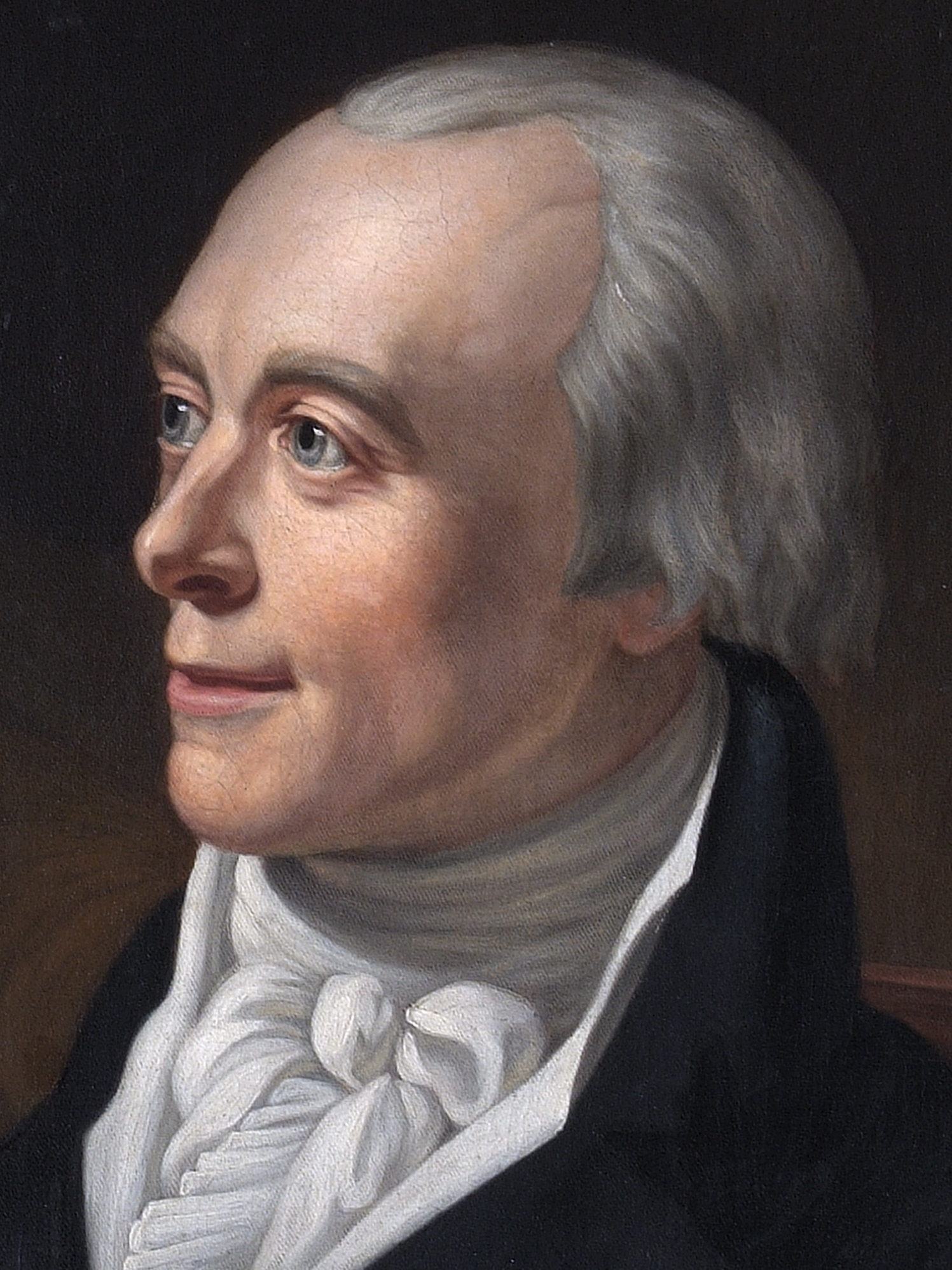
Spencer Perceval was the Prime Minister of the United Kingdom from 1809 until his assassination in 1812. He was born on November 1, 1762, in London, England, and was the second son of John Perceval, 2nd Earl of Egmont, and his wife Catherine Compton. Perceval's early life was marked by tragedy. His father died when he was eight years old, leaving him with a large inheritance but also a sense of responsibility to his family. He was educated at Harrow School and Trinity College, Cambridge, where he excelled in his studies and earned a reputation for his intellect and diligence. Perceval began his career as a lawyer, studying at Lincoln's Inn and being called to the bar in 1786. He quickly gained a reputation as a talented advocate, and his success in the courtroom earned him a seat in Parliament in 1796. He was a member of the Tory Party and was a staunch supporter of William Pitt the Younger, who was then Prime Minister. In Parliament, Perceval quickly established himself as a rising star. He was a gifted speaker and debater, and his legal training gave him an advantage in the often-complex debates of the House of Commons. He became known for his conservative views, particularly on issues such as taxation and the role of the monarchy. In 1809, Perceval was appointed Prime Minister following the resignation of the Duke of Portland. He faced several major challenges during his time in office, including the ongoing Napoleonic Wars and a growing economic crisis. He was also faced with the task of holding together a fractious coalition government, which included members of both the Tory and Whig parties. One of Perceval's most significant accomplishments as Prime Minister was the passing of the Orders in Council in 1807. These decrees aimed to restrict French trade during the Napoleonic Wars by banning trade with neutral countries that traded with France. The Orders in Council were controversial, and they led to a significant deterioration in relations with the United States, ultimately contributing to the War of 1812. Perceval was also committed to improving conditions for the poor and working-class, and he supported several measures to alleviate poverty and increase access to education. He was a strong advocate for the abolition of the slave trade and worked to ensure that the laws prohibiting it were enforced. Despite his many accomplishments, Perceval's time in office was cut tragically short. On May 11, 1812, he was assassinated in the lobby of the House of Commons by John Bellingham, a bankrupt merchant who believed that Perceval had not done enough to help him recover his losses. Perceval was the only British Prime Minister to be assassinated while in office, and his death shocked the nation. Perceval's legacy is complicated. He was a committed public servant who worked tirelessly to advance his beliefs and improve the lives of his constituents. However, his support for controversial policies like the Orders in Council, and his opposition to more progressive measures like Catholic emancipation, have led some to view him as a reactionary figure. Nevertheless, his commitment to justice and fairness, and his tragic death, have ensured that he remains an important figure in British history.
During his time as Prime Minister, Spencer Perceval faced several challenges and controversies. One of the major challenges he faced was the ongoing Napoleonic Wars, which had been raging since 1803. Perceval was determined to continue the fight against France and to protect British interests, but he was also aware of the cost of the war, both in terms of money and lives. He supported the British military campaigns in Spain and Portugal, which helped to tie down French forces and weaken Napoleon's grip on Europe. Another significant challenge that Perceval faced was the economic crisis that gripped Britain in the early 19th century. The country was suffering from high levels of debt, high unemployment, and a general sense of economic instability. Perceval responded to the crisis by cutting government spending and increasing taxes, measures that were unpopular with many Britons but which he believed were necessary to restore fiscal stability. One of the most controversial policies that Perceval supported during his time as Prime Minister was the Orders in Council, which were decrees aimed at restricting French trade during the Napoleonic Wars. The Orders in Council had a significant impact on British foreign policy, as they effectively banned trade with neutral countries that traded with France. This led to tensions with the United States, which saw the decrees as a violation of their rights as a neutral country. The tensions ultimately contributed to the War of 1812, which began shortly after Perceval's death. Perceval was also a staunch opponent of Catholic emancipation, which would have granted civil and political rights to Catholics in Britain. He believed that the Protestant Church of England was the only legitimate religious authority in the country, and he feared that Catholic emancipation would lead to a decline in the power and influence of the Church. This stance made him unpopular with many Catholics, who saw him as a reactionary figure. Despite these controversies, Perceval also had several notable achievements during his time as Prime Minister. He was committed to improving conditions for the poor and working-class, and he supported measures to alleviate poverty and increase access to education. He was a strong advocate for the abolition of the slave trade and worked to ensure that the laws prohibiting it were enforced. He also oversaw the establishment of the Bank of England as a lender of last resort, which helped to stabilize the country's financial system. Tragically, Perceval's time as Prime Minister was cut short by his assassination in May 1812. His death shocked the nation and led to an outpouring of grief and sympathy. The circumstances of his death, and the fact that he was the only British Prime Minister to be assassinated while in office, ensured that he would be remembered as a significant figure in British history.
If you have a suggestion regarding additional topics you would like to see included - please let us know
Reference: Article by Greg Scott (Staff Historian), 2024