History-Politics
Past eras

From pre-history to today
Choose your period

Poltics in English History
explore the different eras
Past eras
Choose your period
explore the different eras
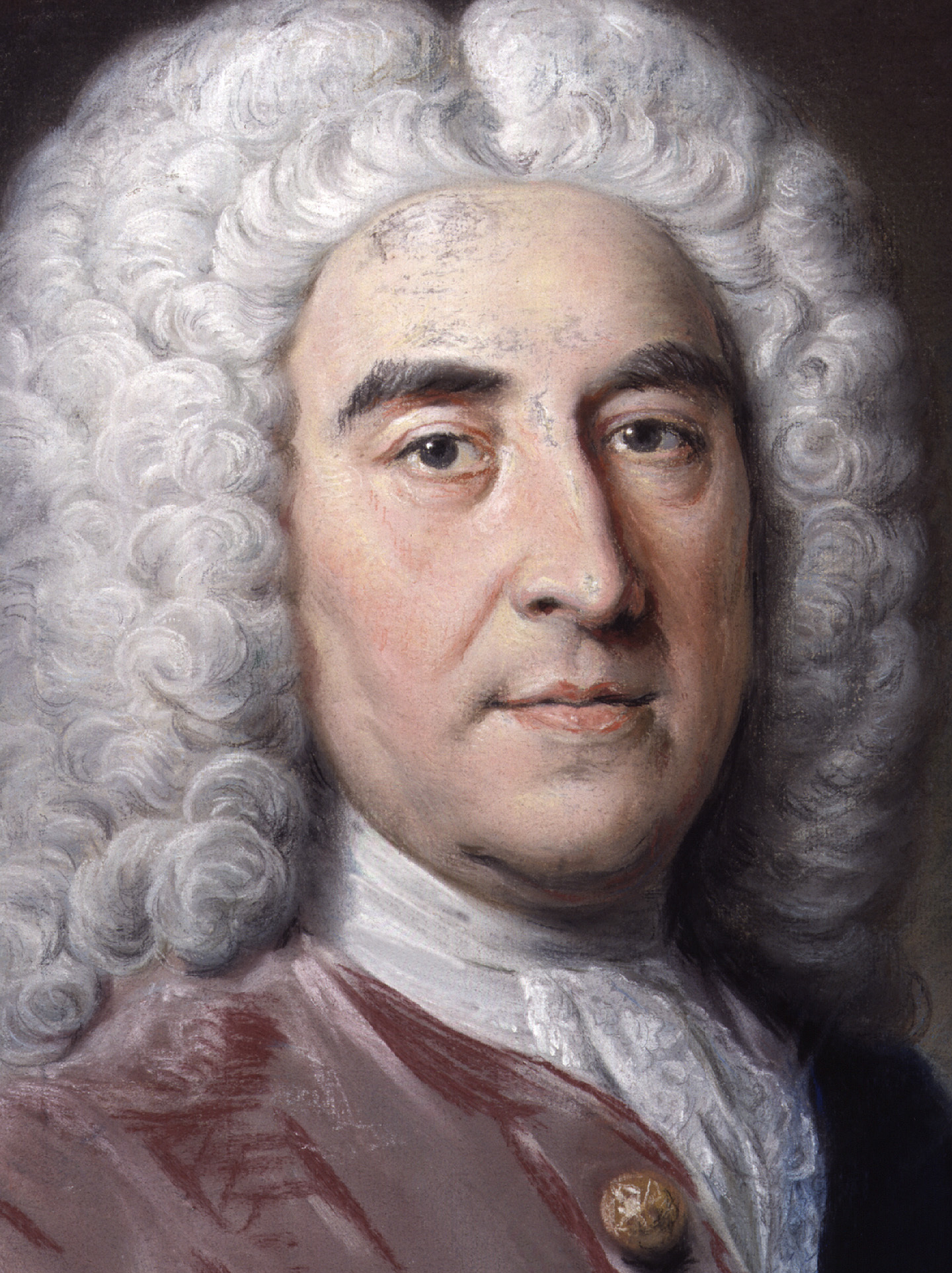
Thomas Pelham Holles was a British politician who served as Prime Minister of the United Kingdom from 1754 to 1756 and again from 1757 to 1762. He was a member of the Whig party and was known for his skillful political maneuvering and his efforts to maintain peace and stability in Europe during a time of significant political turmoil. Early Life and Career Thomas Pelham Holles was born on July 21, 1693, in London, England. He was the son of Thomas Pelham, a Whig politician who served as Lord Lieutenant of Sussex, and his wife, Lady Grace Holles. Holles inherited his mother's title, becoming the 1st Duke of Newcastle-upon-Tyne in 1715. Holles was educated at Westminster School and Clare College, Cambridge. He entered politics in 1715, when he was elected as a Member of Parliament for the borough of Seaford. He later represented several other constituencies, including Sussex, East Grinstead, and Berwick-upon-Tweed. Political Career Holles quickly made a name for himself in the Whig party and was appointed to several high-ranking positions in government. He served as Lord Chamberlain of the Household from 1724 to 1730, and as Lord Privy Seal from 1730 to 1746. In 1746, he was appointed as Secretary of State for the Southern Department, a position he held for six years. Holles was a skilled political operator and was known for his ability to build alliances and maintain the support of key figures in the government. He was a close associate of Prime Minister Robert Walpole and played a key role in supporting Walpole's policies, including his efforts to maintain peace with France and Spain. Prime Minister In 1754, Holles was appointed as Prime Minister of the United Kingdom, succeeding Henry Pelham, his older brother. Holles faced a number of significant challenges during his time in office, including the Seven Years' War, which began in 1756. Holles initially adopted a policy of neutrality in the war, seeking to avoid direct involvement and maintain the balance of power in Europe. However, as the conflict escalated, he was forced to take a more active role. In 1757, he formed a coalition with William Pitt the Elder, a fellow Whig, and the two men worked together to prosecute the war against France. Holles was also involved in a number of domestic policy initiatives during his time in office. He introduced several economic reforms, including a reduction in the number of taxes and an increase in spending on public works. He also oversaw the construction of a number of important public buildings, including the British Museum and the Royal Observatory. Legacy Thomas Pelham Holles is remembered as a skilled political operator who was able to navigate the complex political landscape of his time. He was a key figure in the Whig party and played an important role in maintaining peace and stability in Europe during a time of significant political upheaval. Holles' legacy is also reflected in the many public buildings and institutions that were constructed during his time in office. The British Museum, in particular, remains one of the most important cultural institutions in the world and is a testament to Holles' commitment to public works. Overall, Thomas Pelham Holles was a significant figure in British political history and his contributions to the country's cultural and political landscape continue to be felt to this day.
During his time as Prime Minister, Thomas Pelham Holles faced a number of significant challenges, including the Seven Years' War, domestic economic issues, and the need to maintain a fragile political coalition. Seven Years' War One of the most significant challenges Holles faced as Prime Minister was the Seven Years' War, a global conflict that lasted from 1756 to 1763. The war pitted Britain and its allies against France and its allies, and it was fought in Europe, North America, and India. Holles initially adopted a policy of neutrality in the conflict, seeking to avoid direct involvement and maintain the balance of power in Europe. However, as the war escalated, he was forced to take a more active role. In 1757, he formed a coalition with William Pitt the Elder, a fellow Whig, and the two men worked together to prosecute the war against France. Under Holles and Pitt's leadership, Britain was able to achieve a number of significant victories, including the capture of several important French territories in North America and India. However, the war also placed a significant strain on the British economy, and there were concerns about the mounting cost of the conflict. Domestic Policy Holles was also involved in a number of domestic policy initiatives during his time in office. He introduced several economic reforms, including a reduction in the number of taxes and an increase in spending on public works. He also oversaw the construction of a number of important public buildings, including the British Museum and the Royal Observatory. Holles was also involved in efforts to reform the British electoral system. He supported a proposal to create a limited number of "rotten boroughs," which were constituencies that were controlled by a small number of voters and were often used to support the interests of the ruling party. Political Coalition One of Holles' most significant challenges as Prime Minister was the need to maintain a fragile political coalition. He was a member of the Whig party, which was the dominant political force in the UK at the time. However, the Whigs were a broad coalition, and there were significant differences of opinion within the party on a number of key issues. Holles was able to maintain the support of the Whig party by building alliances with key figures in government and working to secure the loyalty of key voting blocs. However, his efforts were often hindered by the fractious nature of the party, and he was forced to navigate a complex political landscape in order to maintain his position. Legacy Thomas Pelham Holles is remembered as a skilled political operator who was able to navigate the complex political landscape of his time. He was a key figure in the Whig party and played an important role in maintaining peace and stability in Europe during a time of significant political upheaval. Holles' legacy is also reflected in the many public buildings and institutions that were constructed during his time in office. The British Museum, in particular, remains one of the most important cultural institutions in the world and is a testament to Holles' commitment to public works. Overall, Thomas Pelham Holles was a significant figure in British political history and his contributions to the country's cultural and political landscape continue to be felt to this day.
If you have a suggestion regarding additional topics you would like to see included - please let us know
Reference: Article by Greg Scott (Staff Historian), 2024