History-Politics
Past eras

From pre-history to today
Choose your period

Poltics in English History
explore the different eras
Past eras
Choose your period
explore the different eras
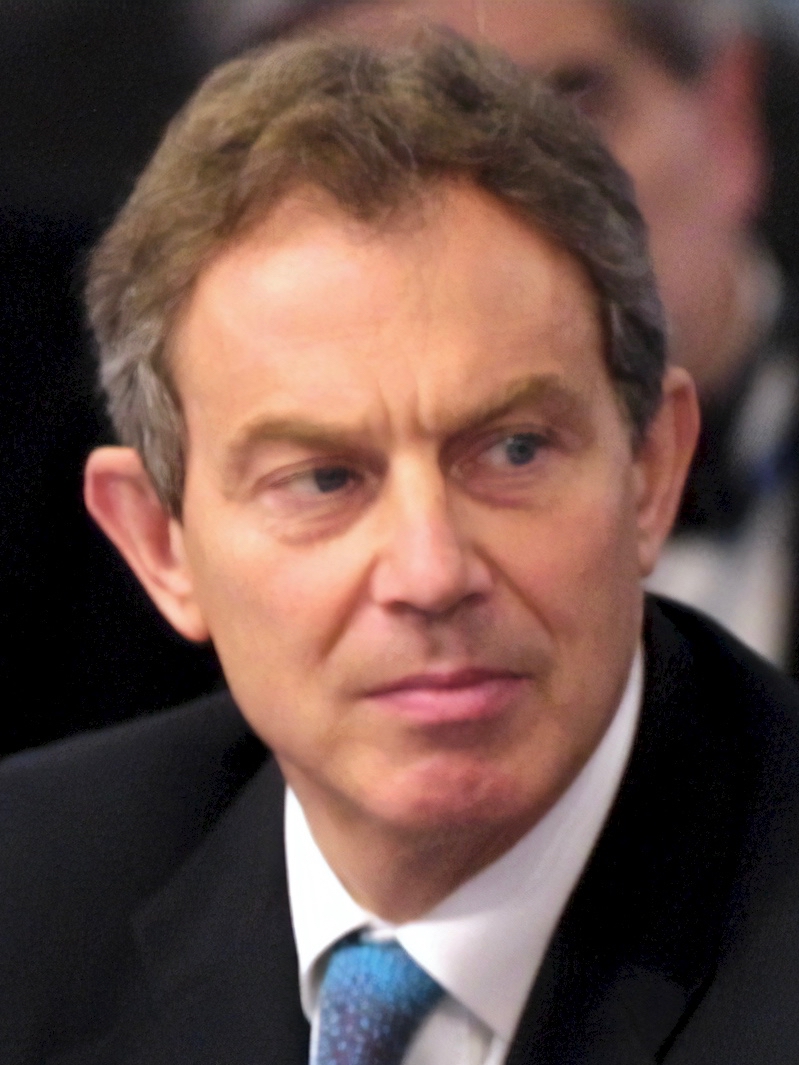
Tony Blair is a prominent political figure in the history of the United Kingdom, having served as the country’s Prime Minister from 1997 to 2007. Blair was born on May 6, 1953, in Edinburgh, Scotland, to a family of lawyers. He was educated at Fettes College and then went on to study law at St. John’s College, Oxford. After completing his education, Blair pursued a career in law, working for a number of law firms before deciding to enter politics. Blair began his political career in 1983 when he was elected as the Member of Parliament for Sedgefield, a constituency in the North East of England. He quickly rose through the ranks of the Labour Party, becoming the party’s leader in 1994. In 1997, Blair led the Labour Party to a landslide victory in the general election, winning 418 seats in the House of Commons and ending 18 years of Conservative rule. As Prime Minister, Tony Blair was known for his ambitious and transformative policies. One of his most notable achievements was the introduction of the minimum wage in 1999, which guaranteed workers a basic level of pay. He also oversaw a major increase in public spending on healthcare and education, and introduced a number of policies to tackle poverty and social inequality. Perhaps Blair’s most controversial decision as Prime Minister was his decision to support the United States in its invasion of Iraq in 2003. Blair was a strong supporter of the US-led war on terror, and argued that Saddam Hussein posed a serious threat to global security. However, the decision to invade Iraq was widely criticized by many in the UK, and Blair’s reputation was tarnished by accusations that he had misled the public over the case for war. Blair’s time in office was also marked by his efforts to bring peace to Northern Ireland. In 1998, he played a key role in brokering the Good Friday Agreement, which brought an end to decades of violence and conflict in the region. Blair’s commitment to the peace process in Northern Ireland was widely praised, and he was awarded the Nobel Peace Prize in 1998. Despite his many achievements, Blair’s time in office was not without controversy. He was criticized for his close relationship with the media, and for the growing influence of spin doctors and political advisors in his government. He was also criticized for his handling of the foot-and-mouth disease outbreak in 2001, and for his failure to tackle rising crime rates. Blair announced his resignation as Prime Minister in 2007, and was succeeded by Gordon Brown. Since leaving office, he has remained active in public life, campaigning on issues such as climate change and global poverty. In 2010, he established the Tony Blair Institute for Global Change, which works to promote good governance and sustainable economic growth around the world. In conclusion, Tony Blair was a highly influential figure in modern British politics, who oversaw a period of significant social and economic change. Despite the controversies that marked his time in office, he remains a respected figure in the UK and abroad, and his legacy as a reformer and peacemaker will be remembered for years to come.
Tony Blair served as the Prime Minister of the United Kingdom from 1997 to 2007, and his time in office was marked by a number of significant events and policies. One of Blair's first acts as Prime Minister was the introduction of the Human Rights Act in 1998, which incorporated the European Convention on Human Rights into British law. The act gave individuals greater protection against violations of their rights, and was a significant step in the development of human rights in the UK. Blair's government also introduced a number of important policies in the areas of healthcare and education. In 1999, the government introduced the National Minimum Wage, which guaranteed workers a basic level of pay. The government also introduced a number of initiatives to improve public education, such as the introduction of specialist schools and the expansion of early years education. One of the most significant events of Blair's time in office was the 9/11 terrorist attacks in 2001. In the aftermath of the attacks, Blair was a strong supporter of the United States and its campaign against terrorism. He supported the US-led invasion of Afghanistan, which toppled the Taliban regime, and also backed the US-led invasion of Iraq in 2003. Blair's decision to support the Iraq War was highly controversial, and it remains a subject of debate and criticism. Blair argued that Saddam Hussein posed a serious threat to global security, and that it was necessary to take action to remove him from power. However, many people in the UK and around the world opposed the war, and there were accusations that Blair had misled the public over the case for war. The war was also highly costly, both in terms of human lives and financial resources, and it has been criticized for its impact on the stability of the Middle East. Another significant event of Blair's time in office was the peace process in Northern Ireland. Blair played a key role in brokering the Good Friday Agreement in 1998, which brought an end to decades of violence and conflict in the region. The agreement established a power-sharing government in Northern Ireland, and paved the way for greater cooperation between the UK and the Republic of Ireland. Blair's commitment to the peace process was widely praised, and he was awarded the Nobel Peace Prize in 1998. Blair's government also faced a number of domestic challenges during his time in office. In 2001, the UK was hit by a major outbreak of foot-and-mouth disease, which led to the culling of millions of animals and caused significant economic damage. The government was criticized for its slow response to the crisis, and there were allegations of mismanagement and incompetence. Blair's government also faced criticism over its handling of crime and public safety issues. Crime rates rose during Blair's time in office, and there were concerns over the government's approach to law and order. The government introduced a number of initiatives to tackle crime, such as the introduction of anti-social behaviour orders, but there were criticisms that these measures were too heavy-handed and did little to address the underlying causes of crime. In conclusion, Tony Blair's time as Prime Minister was marked by a number of significant events and policies, some of which were highly controversial. While he oversaw important social and economic changes, such as the introduction of the minimum wage and improvements in public education, his decision to support the Iraq War and the controversy surrounding it remains a subject of debate and criticism. Nonetheless, Blair's commitment to peace in Northern Ireland and his efforts to promote human rights and good governance continue to be remembered and celebrated.
If you have a suggestion regarding additional topics you would like to see included - please let us know
Reference: Article by Greg Scott (Staff Historian), 2024