History-Politics
Past eras

From pre-history to today
Choose your period

Poltics in English History
explore the different eras
Past eras
Choose your period
explore the different eras
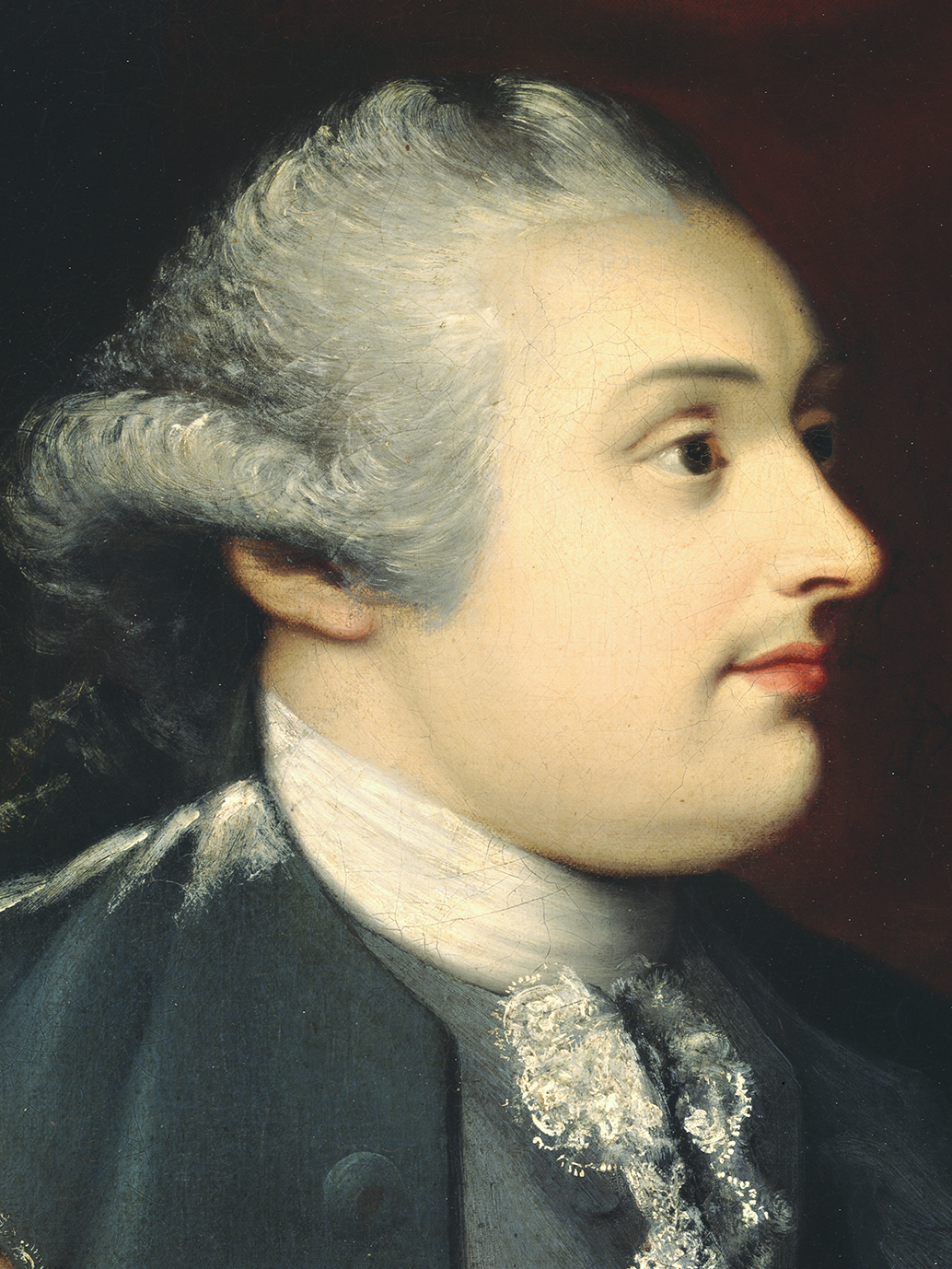
William Bentinck, 1st Duke of Portland, was a British statesman and nobleman who served as Prime Minister of Great Britain twice in the late 18th and early 19th centuries. He was born on April 14, 1738, in Buckinghamshire, England, to a prominent aristocratic family. Bentinck was educated at Eton and Christ Church, Oxford, where he studied law and was admitted to the bar in 1762. After completing his studies, Bentinck entered politics and was elected to Parliament as a Whig in 1761. He served in the House of Commons for over 30 years, during which time he held a number of positions in government, including Chancellor of the Exchequer and Home Secretary. Bentinck was also a vocal opponent of slavery and was instrumental in the passage of the Slave Trade Act of 1807, which abolished the slave trade in the British Empire. In 1783, Bentinck was appointed Prime Minister of Great Britain by King George III. However, his first term in office was short-lived, lasting only a few months. He resigned after a vote of no confidence in his government, which was brought on by his inability to secure the support of the House of Commons for his policies. Bentinck returned to office as Prime Minister in 1807, at the age of 69. He was appointed by King George III to lead a coalition government that included the Whigs and the Tories. Bentinck's second term as Prime Minister was marked by a number of significant achievements, including the abolition of the slave trade and the reform of the criminal justice system. One of Bentinck's most notable accomplishments as Prime Minister was the introduction of the Factory Act of 1819, which established new regulations for working conditions in textile factories. The act limited the hours that children could work and required factory owners to provide education and medical care for their workers. The Factory Act was the first major piece of legislation in Great Britain to address the issue of labor rights, and it paved the way for future reforms in this area. Bentinck was also a strong advocate of religious freedom and played a key role in the passage of the Catholic Relief Act of 1829. This act granted Roman Catholics the right to sit in Parliament and hold public office, ending centuries of discrimination against Catholics in Great Britain. In addition to his political career, Bentinck was a renowned art collector and patron of the arts. He was particularly interested in Italian Renaissance art and amassed a large collection of paintings, sculptures, and other works of art. Bentinck was also a member of the Royal Society, a prestigious scientific organization that promotes scientific research and discovery. Bentinck died on July 30, 1809, at the age of 71. He was buried in the family vault at St. Marylebone Parish Church in London. Bentinck's legacy as a statesman and political leader is still felt today, particularly in the areas of labor rights, religious freedom, and the abolition of slavery. His contributions to the development of modern British society and culture are significant and enduring, and he remains one of the most respected and admired figures in British history.
William Bentinck served as Prime Minister of Great Britain twice, first in 1783 and then again in 1807. During his second term in office, Bentinck achieved a number of significant accomplishments that helped to shape the future of British society and politics. One of Bentinck's most notable achievements as Prime Minister was the abolition of the slave trade in the British Empire. Bentinck was a strong opponent of slavery and had been involved in the anti-slavery movement for many years. He had previously served as the Governor of Madras, India, where he had implemented policies to abolish slavery and protect the rights of Indian workers. As Prime Minister, Bentinck was able to push through the Slave Trade Act of 1807, which made it illegal for British ships to engage in the slave trade. The act was a major victory for the anti-slavery movement and paved the way for the eventual abolition of slavery throughout the British Empire. Another major accomplishment of Bentinck's second term as Prime Minister was the introduction of the Factory Act of 1819. This legislation established new regulations for working conditions in textile factories, which were notorious for their harsh and unsafe conditions. The act limited the hours that children could work, required factory owners to provide education and medical care for their workers, and established penalties for violations of the new regulations. The Factory Act was a significant step forward for labor rights in Great Britain, and it helped to establish the principle that workers were entitled to certain protections and benefits. The act also had a major impact on the textile industry, as many factory owners were forced to make changes to their operations in order to comply with the new regulations. Bentinck was also a strong advocate for religious freedom, and he played a key role in the passage of the Catholic Relief Act of 1829. This legislation granted Roman Catholics the right to sit in Parliament and hold public office, ending centuries of discrimination against Catholics in Great Britain. The act was a major milestone in the struggle for religious equality and helped to pave the way for future reforms in this area. In addition to his legislative accomplishments, Bentinck was also involved in a number of other important events and issues during his time as Prime Minister. For example, he was instrumental in negotiating the Treaty of Paris in 1814, which ended the Napoleonic Wars and helped to establish a lasting peace in Europe. Bentinck was also involved in the efforts to suppress the Luddite movement, which was a group of English textile workers who protested against the introduction of new machinery that they believed threatened their jobs. Bentinck supported harsh measures to put down the movement, including the use of military force and the imposition of severe penalties on those who were caught breaking the law. Overall, William Bentinck's second term as Prime Minister was marked by a number of significant accomplishments that helped to shape the future of British society and politics. His advocacy for labor rights, religious freedom, and the abolition of slavery helped to establish important principles that continue to influence British politics to this day.
If you have a suggestion regarding additional topics you would like to see included - please let us know
Reference: Article by Greg Scott (Staff Historian), 2024