History-Politics
Past eras

From pre-history to today
Choose your period

Poltics in English History
explore the different eras
Past eras
Choose your period
explore the different eras
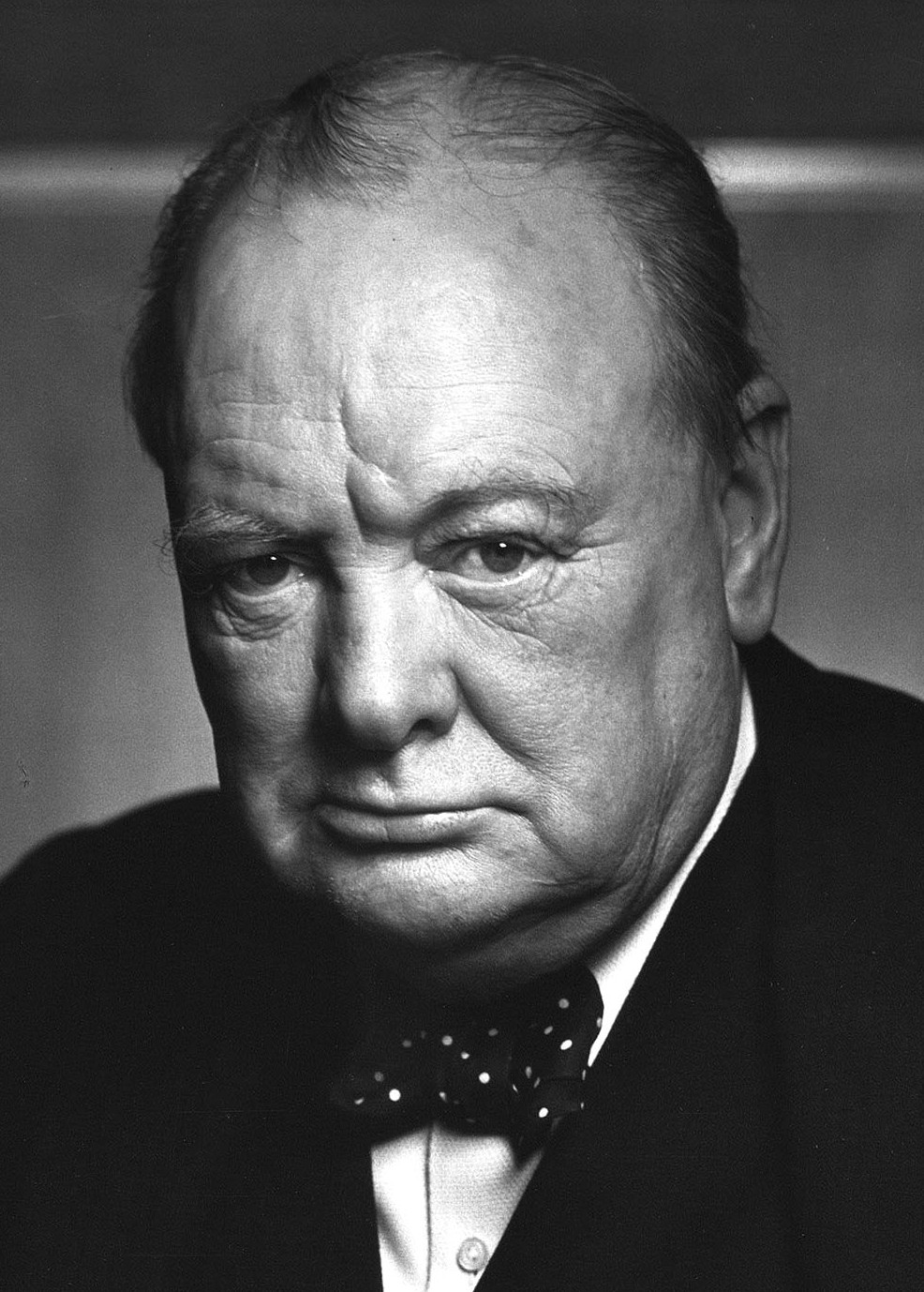
Sir Winston Churchill was a towering figure in British politics and a renowned statesman who played a significant role in the 20th century. Churchill served as the Prime Minister of the United Kingdom twice, from 1940 to 1945 and from 1951 to 1955. He was one of the most famous and charismatic leaders in British history, known for his oratory skills, determination, and leadership during World War II. In this essay, we will delve into Churchill's life, accomplishments, and legacy. Early Life and Career Winston Leonard Spencer Churchill was born on November 30, 1874, in Blenheim Palace, Oxfordshire, England. His father, Lord Randolph Churchill, was a prominent politician and his mother, Jennie Jerome, was an American socialite. Churchill had a privileged upbringing and was educated at Harrow School and the Royal Military College at Sandhurst. Churchill began his military career as a second lieutenant in the Fourth Queen's Own Hussars in 1895. He saw action in Cuba, India, Sudan, and South Africa. Churchill gained fame as a war correspondent during the Boer War in South Africa, where he was captured by the enemy and escaped after six months. Churchill returned to England in 1900 as a hero and was elected to Parliament as a Conservative member for Oldham. Churchill's political career was not without controversy. In 1904, he left the Conservative Party and joined the Liberal Party. He served as President of the Board of Trade, Home Secretary, and First Lord of the Admiralty in various Liberal governments. Churchill was known for his support of social reform, including improving working conditions and women's rights. While Churchill is perhaps best known for his leadership during World War II, his experience during World War I was also significant, both in terms of his military service and his political career. At the outbreak of World War I, Churchill was serving as First Lord of the Admiralty, a position he had held since 1911. In this role, he was responsible for overseeing the Royal Navy, and he was heavily involved in the planning and execution of the naval blockade of Germany. However, Churchill's most controversial decision during this period was his support for the Gallipoli campaign, which aimed to open up a new front against the Ottoman Empire. The campaign ultimately ended in failure, with heavy losses suffered by the Allies. Churchill's involvement in the Gallipoli campaign led to his resignation as First Lord of the Admiralty in 1915. He then turned his attention to the army, serving as a lieutenant colonel in the Royal Scots Fusiliers and later as a battalion commander in the Grenadier Guards. He saw action in a number of major battles, including the Battle of Loos and the Battle of the Somme, and was wounded on several occasions. While Churchill's military career during World War I was marked by both successes and failures, his political career was also undergoing significant changes. In 1917, he was appointed as Minister of Munitions, with responsibility for overseeing the production and supply of weapons and other war materials. He proved to be highly effective in this role, streamlining production processes and increasing output. However, Churchill's political career was dealt a significant blow in 1918, when he lost his seat in parliament. This was a major setback for him, but he continued to be a vocal advocate for military spending and expansion throughout the interwar years. Overall, Churchill's experience during World War I was a formative period in his career, both as a military commander and a politician. While his decisions during the Gallipoli campaign were criticized at the time and continue to be debated today, his leadership and determination helped to shape the course of the war and laid the groundwork for his later successes during World War II. Churchill and World War II Churchill's leadership during World War II is perhaps his most significant contribution to British history. He became Prime Minister in May 1940, at a time when Britain was facing a dire situation. Nazi Germany had invaded Western Europe and threatened to invade Britain. Churchill's speeches during this time are now famous, particularly his "We shall fight on the beaches" speech, in which he rallied the British people to resist the German invasion. Churchill's leadership during the war was marked by his determination and strategic planning. He established a close relationship with US President Franklin D. Roosevelt, which helped to ensure US support for Britain. Churchill also worked closely with his military commanders, including General Bernard Montgomery and Admiral Andrew Cunningham, to plan military operations. One of Churchill's most significant decisions during the war was to launch the D-Day invasion of Normandy in June 1944. The invasion was a success and helped to turn the tide of the war in favor of the Allies. Churchill's leadership during the war was crucial in helping Britain and the Allies to achieve victory. Later Years and Legacy Churchill was re-elected as Prime Minister in 1951 and served until 1955. He continued to be an influential figure in British politics and was known for his opposition to decolonization and his support for Western democracy during the Cold War. Churchill's legacy extends beyond his political achievements. He was a prolific writer and won the Nobel Prize in Literature in 1953 for his historical and biographical writings. Churchill was also a talented artist, painting over 500 canvases during his lifetime. Churchill died on January 24, 1965, at the age of 90. He was given a state funeral and is buried at St. Martin's Church in Bladon, Oxfordshire. Churchill remains one of the most famous and respected leaders in British history. His speeches, writings, and leadership during World War II continue to inspire people around the world. Legacy: Churchill's legacy as a statesman, writer, and orator remains undiminished to this day. His speeches, such as his "We shall fight on the beaches" address, are still studied and quoted by politicians and historians around the world. Churchill's leadership during the war helped to establish him as one of the great figures of the 20th century, and his commitment to democracy and freedom continue to inspire people to this day. However, Churchill's legacy is not without controversy. His views on race and imperialism have been criticized by some, and his record as a military commander has been questioned by others. Nevertheless, Churchill's contribution to British and world history is unquestionable, and his role in shaping the course of the 20th century is a testament to his enduring legacy.
As Prime Minister, Churchill led Britain through one of its darkest periods in history, World War II. During his time in office, Churchill oversaw a number of key events and decisions that helped to shape the outcome of the war. One of Churchill's first acts as Prime Minister was to form a coalition government, bringing together members of both the Conservative and Labour parties. This move was seen as critical in uniting the country during a time of crisis, and it helped to build support for the war effort. Churchill also played a key role in the Battle of Britain, which took place in the summer and fall of 1940. As Germany launched a massive bombing campaign against Britain, Churchill rallied the country with his inspiring speeches and his willingness to lead from the front. Despite the heavy losses suffered by the Royal Air Force, the British ultimately prevailed, thanks in no small part to Churchill's leadership. Another key event during Churchill's time as Prime Minister was the entry of the United States into the war. Churchill was a vocal advocate for bringing America into the conflict, and his efforts to build a strong relationship with President Franklin D. Roosevelt ultimately paid off. With American support, the Allied powers were able to mount a more effective campaign against Germany and its allies. Churchill was also a key player in the planning and execution of some of the most important military campaigns of the war. One of these was the North African campaign, which saw British forces push the Germans back across the continent. Churchill also played a critical role in the D-Day landings of June 1944, which marked the beginning of the end for Nazi Germany. Throughout the war, Churchill remained a powerful and inspiring speaker, using his oratory skills to motivate the British people and their allies. Some of his most famous speeches include his "We shall fight on the beaches" address, which he delivered in June 1940, and his "Iron Curtain" speech, which he gave in 1946 and which is often seen as marking the beginning of the Cold War. Despite his many successes, Churchill's time as Prime Minister was not without controversy. Some of his decisions, such as the bombing of German cities, remain controversial to this day. Additionally, Churchill's relationship with other Allied leaders, such as Soviet Premier Joseph Stalin, was often fraught with tension and disagreement. Overall, however, Churchill's time as Prime Minister was a critical period in British and world history. His leadership and determination helped to turn the tide of the war and to ultimately bring about the defeat of Nazi Germany. His legacy as a statesman, writer, and orator remains an inspiration to people around the world to this day.
If you have a suggestion regarding additional topics you would like to see included - please let us know
Reference: Article by Greg Scott (Staff Historian), 2024